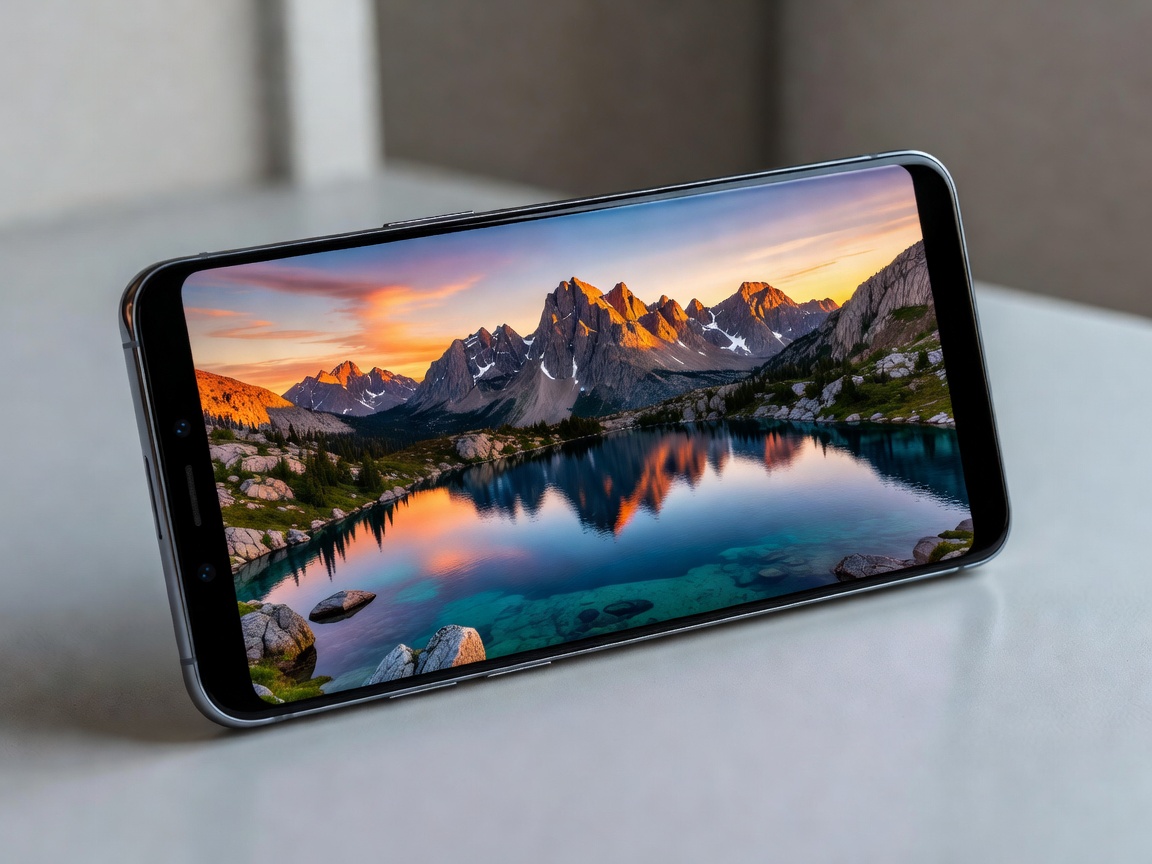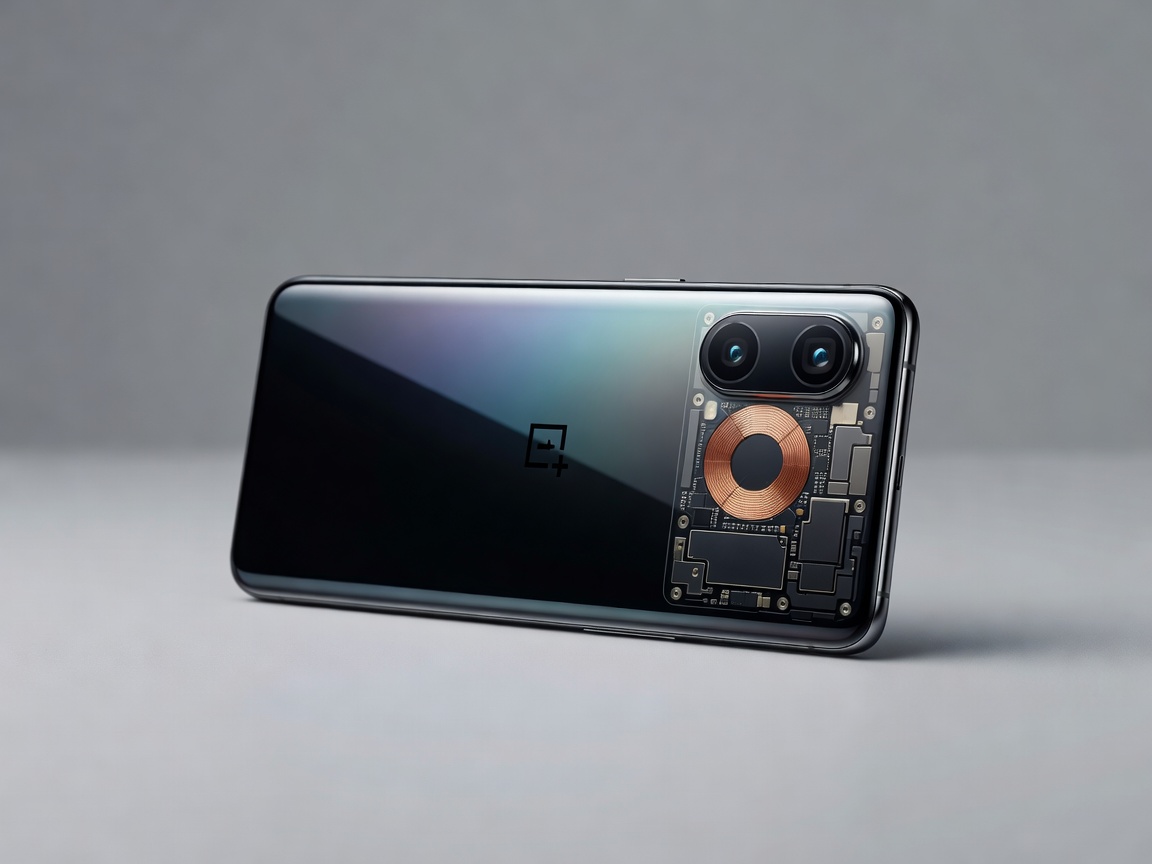

Google Pixel 10a
Delivers class-leading computational photography and clean seven-year OS lifecycle support powered by Tensor G5 efficiency improvements.
Explore independent component breakdowns, thermal efficiency metrics, sensor architectures, and battery cycle expectations across modern mid-tier and budget smartphones.
✦ Interactive 3D Model: Move pointer to inspect geometry
Slide across price bands to reveal how performance, battery, and panel technology scale.
Examine our five core evaluations focusing on architectural efficiency, long-term software support, and hardware reliability.
Delivers class-leading computational photography and clean seven-year OS lifecycle support powered by Tensor G5 efficiency improvements.
A dependable daily driver featuring an Exynos 1580 silicon core, vibrant 120Hz Super AMOLED panel, robust aluminum framing, and IP67 weather resistance.
Packs high-tier single-core calculation speeds and iOS ecosystem stability into a streamlined package with aluminum chassis and USB-C connectivity.
Tailored for gaming responsiveness and minimal downtime, pairing 100W wired charging with an expansive 1.5K fluid AMOLED 120Hz display.
Pushes hardware boundaries at the sub-$360 price mark, integrating MediaTek high-bandwidth architecture with a sustained vapor cooling chamber.
A cross-vendor evaluation including the Motorola Moto G56, Nothing Phone 3a, Redmi Note 17 Pro, Realme 14 Pro+, and Honor 400 Pro.
| Device Model | Approx. Price | Processor Core | Display Tech | Battery / Rate | Primary Sensor | Value Score |
|---|---|---|---|---|---|---|
| Google Pixel 10a | $479 | Google Tensor G5 (4nm) | 6.1" Actua OLED 120Hz | 4700mAh / 27W | 50MP OIS (1/1.56") | 9.4 / 10 |
| OnePlus Nord 5 | $399 | Snapdragon 7+ Gen 3 | 6.74" AMOLED 120Hz | 5500mAh / 100W | 50MP Sony LYT-600 | 9.3 / 10 |
| Samsung Galaxy A56 | $449 | Exynos 1580 (4nm) | 6.6" Super AMOLED 120Hz | 5000mAh / 45W | 50MP OIS (1/1.56") | 9.2 / 10 |
| Xiaomi Poco X8 Pro Max | $349 | Dimensity 8400-Ultra | 6.67" Flow AMOLED 120Hz | 5500mAh / 90W | 64MP OIS (1/2.0") | 9.1 / 10 |
| Nothing Phone 3a | $379 | Dimensity 7350 Pro | 6.7" Flexible AMOLED | 5000mAh / 45W | 50MP Dual OIS | 9.0 / 10 |
| Realme 14 Pro+ | $389 | Snapdragon 7s Gen 3 | 6.7" Curved OLED 120Hz | 5200mAh / 80W | 50MP Sony IMX890 | 8.9 / 10 |
| Apple iPhone 17e | $599 | Apple A19 Bionic (3nm) | 6.1" Super Retina OLED | 3800mAh / 25W | 48MP Fusion Camera | 8.9 / 10 |
| Honor 400 Pro | $499 | Snapdragon 8s Gen 3 | 6.78" Quad-Curved OLED | 5200mAh / 100W | 50MP H9000 OIS | 8.8 / 10 |
| Redmi Note 17 Pro | $319 | Dimensity 7200-Ultra | 6.67" CrystalRes OLED | 5100mAh / 67W | 200MP HP3 OIS | 8.8 / 10 |
| Motorola Moto G56 | $269 | Dimensity 7025 (6nm) | 6.5" IPS LCD 120Hz | 5000mAh / 30W | 50MP Quad Pixel | 8.5 / 10 |
Our 2026 value index measures real-world hardware utility against total acquisition price. Rather than focusing on single-core benchmark peaks, our formula evaluates the durability of performance across daily work cycles.
We calculate throttling thresholds during prolonged multi-core loads and navigation tasks, preventing high scores for throttled architectures.
Manufacturer security patch guarantees and update cadence dictate whether a device will remain viable beyond its second calendar year.
Sensor physical dimensions and optical image stabilization (OIS) take precedence over pure megapixel marketing numbers.
We combine battery cell capacity, charging controller thermal dissipation, and panel dynamic refresh rate power draws.