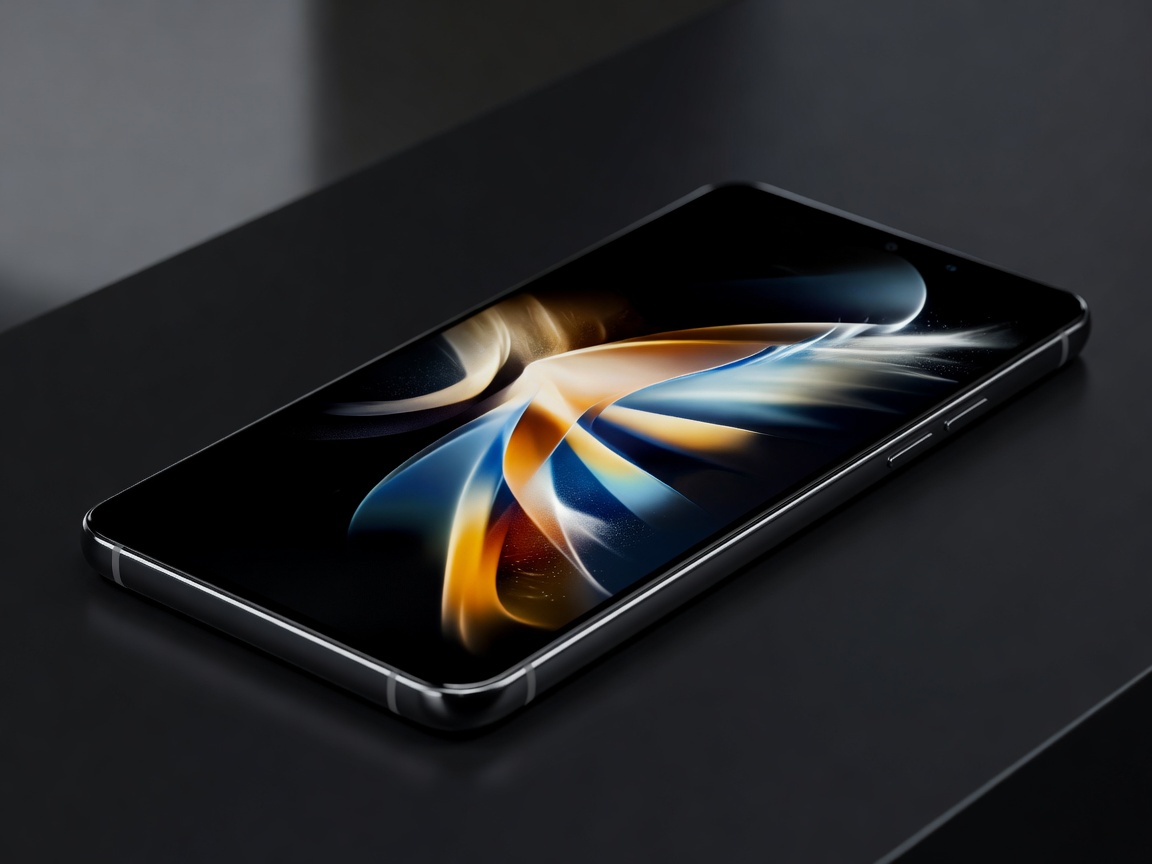
1. Chassis Architecture & Industrial Build
Samsung has systematically elevated the construction tolerances of its A-series portfolio. The Galaxy A56 features flat-edge anodized aluminum side rails and front and back panes protected by Corning Gorilla Glass Victus+. Rather than utilizing composite plastic backs common to sub-$450 devices, the A56 maintains structural rigidity with zero chassis flex under torsional stress.
Ingress protection remains certified at IP67, providing submersion defense up to 1 meter in fresh water for up to 30 minutes. This level of environmental sealing provides peace of mind against torrential rainfall, accidental drops into sinks, and dust exposure in industrial workspaces.
2. Exynos 1580 & AMD Xclipse Graphics
Under the hood, Samsung deploys the Exynos 1580, manufactured on an advanced 4nm FinFET process. The architecture features an octa-core configuration consisting of a high-power Cortex-A720 performance core, three balanced Cortex-A720 cores, and four Cortex-A520 efficiency cores. The graphics sub-system is powered by the AMD Xclipse 540 GPU, built on AMD's RDNA architecture.
This hardware combination delivers tangible benefits in daily operation. User interface animations within One UI remain fluid at 120Hz without stutter during heavy background app updates. While intense AAA 3D gaming still generates measurable warmth around the camera module, thermal regulation maintains stable frame rates without erratic down-clocking.
3. Super AMOLED Display Benchmark
Samsung's in-house panel manufacturing division supplies the Galaxy A56 with a 6.6-inch Super AMOLED FHD+ display. The screen supports Vision Booster technology, which dynamically alters gamma curve mapping when ambient light sensors detect sunlight levels above 20,000 lux. The result is an effective peak luminance of 1,650 nits in high brightness mode.
Color calibration profiles adhere closely to the DCI-P3 color gamut standard when set to the "Natural" display preset. Viewing angles exceed those of IPS LCD competitors like the Motorola Moto G56, retaining contrast and color saturation even when tilted at 45 degrees off-axis.
Hardware Assessment Summary
Core Strengths
- Exceptional 6.6-inch Super AMOLED screen with superior sunlight visibility.
- Premium aluminum frame construction and IP67 water resistance rating.
- Upgraded 45W wired charging rate reduces recharge intervals.
- Six years of guaranteed Android OS releases and security patches.
Noted Compromises
- Charger block is omitted from the retail packaging.
- Macro sensor remains a modest 5MP unit without optical stabilization.
- Larger 6.6-inch footprint may prove unwieldy for single-hand navigation.
4. Battery Endurance & 45W Charging Throughput
The 5,000mAh lithium-ion battery inside the Galaxy A56 delivers between 7.5 and 9 hours of screen-on runtime across mixed Wi-Fi and 5G connections. Notably, Samsung has expanded charging throughput from the previous 25W ceiling to 45W utilizing standard USB-PD PPS (Programmable Power Supply).
Testing reveals that a 45W compatible charger replenishes the cell from 0 to 50% in approximately 26 minutes, with a full cycle completing in 64 minutes. This eliminates one of the most prominent historic bottlenecks of the Galaxy A series.
5. Final Comparative Verdict
The Samsung Galaxy A56 serves as an ideal baseline for mainstream smartphone reliability. While it does not achieve the peak photographic computational prowess of the Google Pixel 10a nor the extreme raw gaming throughput of the Xiaomi Poco X8 Pro Max, its balanced synthesis of display engineering, IP67 durability, and broad software ecosystem support justifies its position as a dominant choice in the 2026 sub-$450 bracket.