1. The Strategic Position of the iPhone 17e
At an introductory price point of $599, the iPhone 17e sits at the high boundary of what is typically categorized as a budget or accessible smartphone. However, within Apple’s proprietary ecosystem, it functions as the definitive value anchor. For buyers committed to iMessage, iCloud Shared Photo Libraries, AirDrop, and Apple Watch synchronization, the 17e eliminates the requirement of spending $800 to $1,200 for current-generation flagship access.
Rather than repurposing aging industrial molds, the iPhone 17e integrates modern design hallmarks: an edge-to-edge 6.1-inch display with Dynamic Island integration, modern USB Type-C connector compliance, and an aerospace-grade aluminum chassis with matte rear glass.
2. Apple A19 Silicon Performance
The inclusion of the Apple A19 processor, fabricated on TSMC's enhanced 3-nanometer manufacturing node, provides the iPhone 17e with unmatched single-core instruction throughput in the sub-$600 segment. Single-core speeds determine how responsive standard web applications, local database searches, and mobile banking interfaces feel during momentary interactions.
The A19 incorporates a 16-core Neural Engine capable of executing on-device Apple Intelligence tasks without transmitting user queries to external cloud infrastructure. Memory bandwidth operates over a 128-bit bus, giving the system immediate access to cached data. Unlike Android rivals that demand 12GB to 16GB of RAM to offset background garbage collection overhead, the memory efficiency of iOS allows the 17e to maintain persistent app states on 8GB of unified LPDDR5X RAM.
3. Camera System & Fusion Sensor Processing
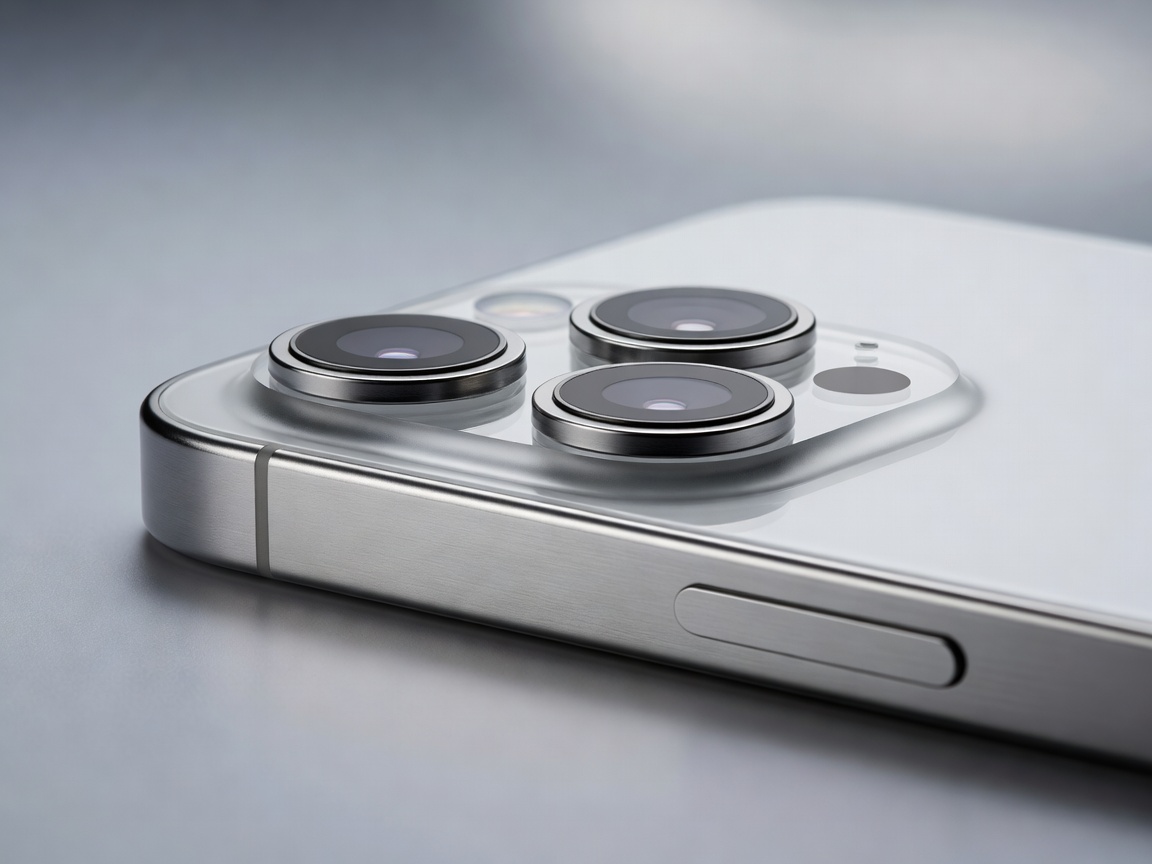
The iPhone 17e utilizes a single 48-megapixel Fusion Camera sensor, eschewing the dedicated ultra-wide lens found on comparable Android competitors. While this limits wide-angle landscape capture, the primary 48MP optic utilizes 2x in-sensor cropping to deliver optical-quality 12-megapixel telephoto images.
Apple's Photonic Engine processes raw image sensor data directly in uncompressed format, retaining fine skin textures and subtle specular highlights without introducing the artificial sharpening edges sometimes visible on alternative budget sensors. Video capture remains a standout capability, with 4K recording up to 60 frames per second in 10-bit Dolby Vision HDR.
Architectural Evaluation
Verified Advantages
- Top-tier 3nm A19 processing power outclasses all Android budget chips.
- Industry-leading video recording stability with Dolby Vision support.
- Exceptional second-hand market value retention over three to five years.
- Universal USB-C standard port simplifies cable ecosystem.
Notable Shortcomings
- Display refresh rate is restricted to 60Hz rather than 120Hz ProMotion.
- Lacks a secondary ultra-wide or macro camera lens assembly.
- Higher upfront price ceiling than Android alternatives ($599 vs $350-$450).
4. Resale Value Retention Over 36 Months
One decisive factor often ignored in pure sticker-price comparisons is historical depreciation. Market tracking demonstrates that base-tier iPhones typically retain 45% to 52% of their original MSRP after three full calendar years. By comparison, high-volume Android alternatives often trade between 20% and 30% of their initial sale value across the same timeframe.
When factoring in net depreciation upon subsequent upgrade, the effective cost per month of owning an iPhone 17e converges closely with mid-tier Android competitors, rendering it an economically sound consideration for users prioritizing Apple services.